“Serum Uses for Face: Benefits, Types & How to Apply for Glowing Skin”
Serum Uses: A Complete Guide to Serum Uses for Face, Benefits, and How to Use Face Serum

In the vast world of skincare, facial serums have carved out a prominent place due to their powerful and targeted effects. If you’ve ever wondered about serum uses or specifically serum uses for face, you’re in the right place. This comprehensive guide covers everything you need to know — from the key face serum benefits to the correct way of how to use face serum for maximum results. Let’s dive in!
What Are Serums and What Makes Them Unique?
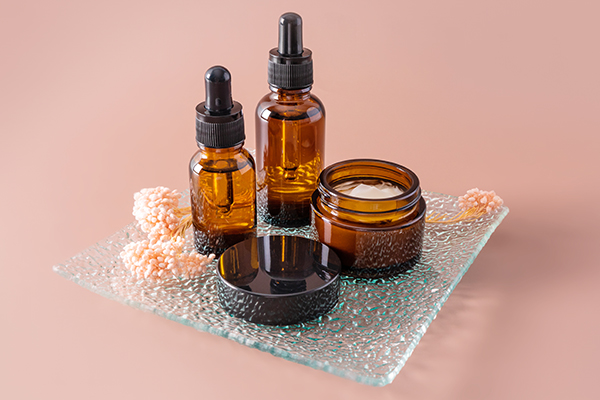
Facial serums are lightweight skincare products packed with a high concentration of active ingredients. Unlike heavier creams and moisturizers, serums are formulated to penetrate deeply into the skin, delivering potent nutrients that address specific issues like dryness, dullness, fine lines, acne, and uneven skin tone.
One of the biggest reasons for the popularity of serums is their versatility and effectiveness. They can be tailored to different skin types and concerns, making them a must-have for anyone serious about skincare.
Understanding Serum Uses for Face

The serum uses for face are broad, and these products can address multiple skincare needs depending on their ingredients:
- Hydration and Moisture Retention: Many serums contain hydrating agents such as hyaluronic acid, which helps attract and retain moisture in the skin, keeping it plump and supple.
- Brightening and Even Skin Tone: Ingredients like vitamin C and niacinamide work wonders for fading dark spots, reducing pigmentation, and improving overall skin brightness.
- Anti-Aging and Wrinkle Reduction: Serums with retinol, peptides, and antioxidants stimulate collagen production, which reduces fine lines, wrinkles, and sagging skin.
- Acne and Blemish Control: For those with acne-prone skin, serums containing salicylic acid, niacinamide, or tea tree oil can help unclog pores, reduce inflammation, and control oil production.
- Soothing Sensitive Skin: Serums with calming ingredients like aloe vera and centella asiatica can reduce redness and irritation, strengthening the skin’s barrier.
Face Serum Uses Benefits Explained
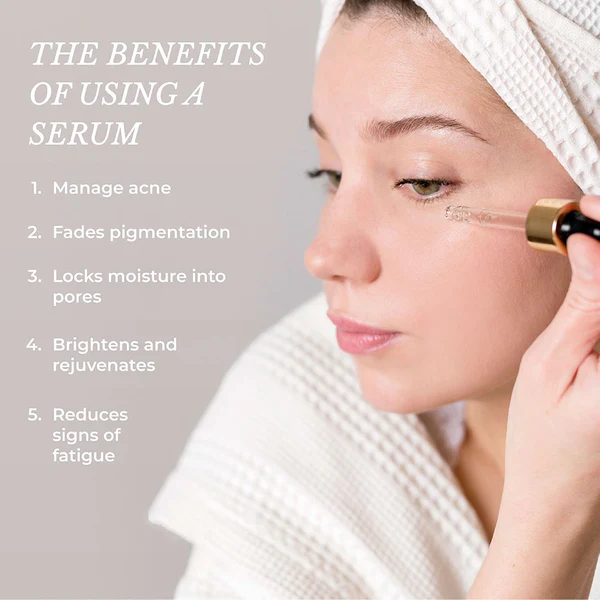
The face serum uses benefits extend far beyond hydration. Here’s a closer look at why incorporating a serum into your routine can transform your skin:
- Deep Penetration: Because serums are formulated with smaller molecules, they penetrate more deeply into the skin compared to moisturizers. This means the active ingredients can work more effectively where they’re needed.
- Customizable Skincare: Serums come in various formulations to target unique concerns—whether you need anti-aging, brightening, or acne-fighting effects, there’s a serum designed just for you.
- Lightweight and Fast-Absorbing: Many people prefer serums because they feel light on the skin, making them ideal for layering with other products without feeling greasy or heavy.
- Powerful Concentration: Serums deliver a high concentration of active ingredients, so you get more potency per drop compared to other skincare products.
- Improved Skin Texture: Regular use of serums can smooth skin texture, refine pores, and provide a radiant glow.
How to Use Face Serum: Step-by-Step Guide
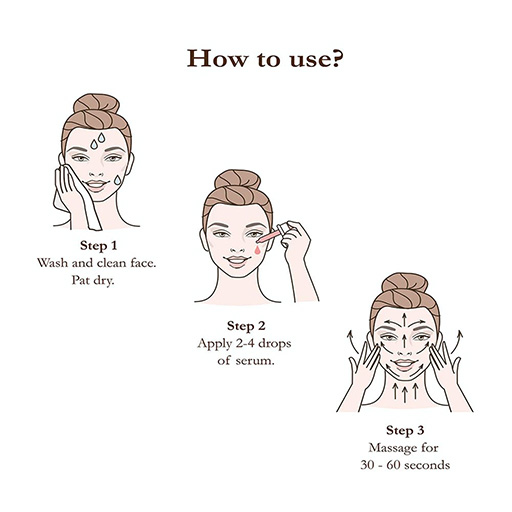
Knowing how to use face serum correctly is just as important as choosing the right one. Here’s a simple, effective routine:
- Cleanse Your Skin: Start with a clean canvas by washing your face with a gentle cleanser to remove dirt and oil.
- Apply Toner (Optional): If you use a toner, apply it next to balance your skin’s pH and prepare it for better absorption.
- Use the Right Amount: Generally, 2-4 drops of serum are enough. Place the drops on your fingertips or directly on your face.
- Gently Pat and Press: Use your fingertips to gently pat and press the serum into your skin. Avoid rubbing vigorously to prevent irritation.
- Allow Absorption: Give the serum a minute or two to absorb fully before applying other products like moisturizer or sunscreen.
- Follow with Moisturizer: Serums don’t usually provide enough moisture on their own, so seal in the benefits with a suitable moisturizer.
- Don’t Skip Sunscreen: Many serums contain ingredients that make your skin more sensitive to sunlight, so apply sunscreen during the day.
Choosing the Right Serum for Your Skin Type
Understanding your skin type helps in selecting the most suitable serum for optimal results:
- Oily and Acne-Prone Skin: Look for serums with salicylic acid, niacinamide, or tea tree oil to reduce oiliness and prevent breakouts.
- Dry and Dehydrated Skin: Opt for hydrating serums rich in hyaluronic acid or glycerin to replenish moisture.
- Combination Skin: Use lightweight serums that balance oil production without stripping dry areas.
- Sensitive Skin: Choose gentle serums with soothing ingredients like aloe vera or centella asiatica to calm inflammation.
- Mature or Aging Skin: Retinol and peptide-based serums are excellent for promoting collagen and reducing wrinkles.
Common Mistakes to Avoid When Using Serums
Even with the best serums, improper use can reduce their effectiveness:
- Overusing Serum: More is not always better. Using too much serum can irritate your skin.
- Mixing Incompatible Ingredients: Avoid combining certain actives like retinol and vitamin C simultaneously unless formulated for it.
- Skipping Sunscreen: Many active ingredients increase sun sensitivity; skipping sunscreen can cause damage and negate benefits.
FAQs
Can I use serum every day?
Yes, most serums can be used daily, but introduce actives like retinol gradually.
Do I still need moisturizer after serum?
Absolutely. Serums target specific concerns, but moisturizers lock in hydration and protect the skin barrier.
How long until I see results?
Visible improvements typically appear within 4 to 6 weeks with consistent use.
Conclusion
The world of serum uses for face is vast and exciting. From hydration to anti-aging, serums offer targeted care that can significantly improve your skin’s health and appearance. By understanding face serum benefits and mastering serum uses properly, you can unlock radiant, glowing skin. Remember to choose a serum that suits your skin type and concerns, apply it correctly, and always protect your skin with sunscreen.
Invest in a good serum today and watch your skin transform!
American Academy of Dermatology (AAD) – How to apply skin care products
Why: Provides dermatologist-approved guidance on applying skincare products, including serums.
Healthline – What Are Face Serums & How to Use Them
Why: Offers a well-researched breakdown of types of serums and their benefits for various skin types.
Cleveland Clinic – What Do Serums Do for Your Skin?
Why: Trusted medical source explaining serum functions, ingredients, and proper application techniques.